

Let’s Take the Pressure Off: Understanding Lumbar Disc Injuries and Radiculopathy
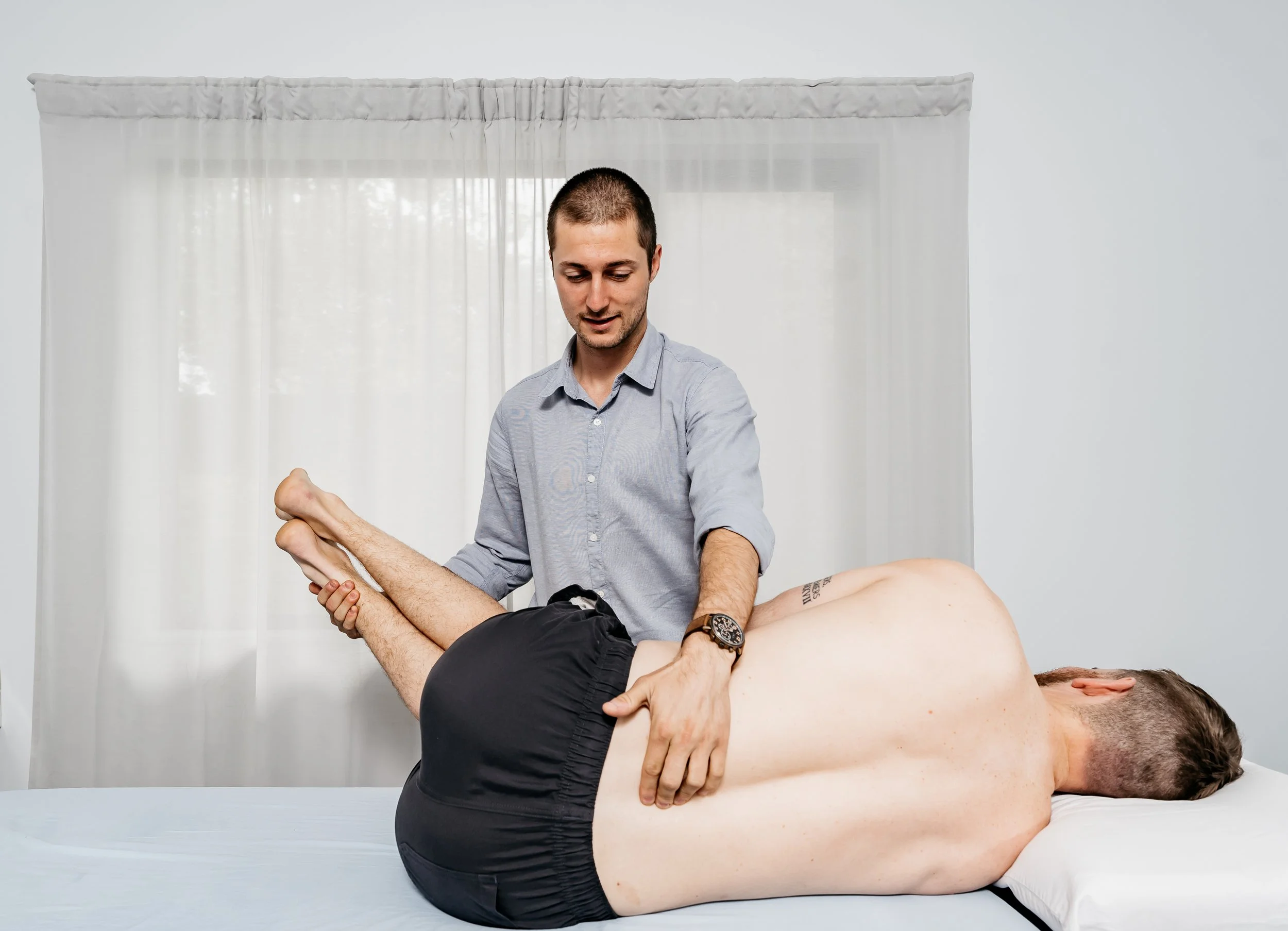
Back pain is a common issue, especially when it involves the lumbar spine (the lower part of your back). One of the key culprits behind lumbar pain is disc injuries, which can sometimes lead to radiculopathy—pain, tingling, or weakness that radiates down the leg. If you've been dealing with lower back pain or sciatica, understanding the nature of disc injuries, how they heal, and what treatment options are available can make a big difference in your recovery.
In this blog, we'll explore the types of disc injuries, typical healing times, and how a combination of osteopathy and physiotherapy can help you recover and manage your symptoms. We'll also take a closer look at research on disc injuries in asymptomatic people, which may surprise you!
What Is a Lumbar Disc Injury?
Your spine is made up of vertebrae (the bones of the spine) and intervertebral discs—the cushions between these bones. The discs act as shock absorbers, allowing your spine to move and flex comfortably. A disc injury occurs when there’s damage to one of these discs, often due to age related changes, lifting something heavy, or a sudden movement.
There are several types of disc injuries:
Disc Bulge: This occurs when the outer layer of the disc (the annulus) becomes weakened, allowing the disc to bulge outwards. This can compress nearby nerves and cause pain or discomfort.
Disc Herniation: In this case, the inner, gel-like core of the disc (the nucleus pulposus) pushes out through a tear in the outer layer. A herniated disc may cause more severe pain if it presses on nerve roots.
Disc Degeneration: Over time, discs lose water and height, leading to a loss of cushioning. This is part of the natural aging process but can contribute to pain and reduced flexibility in the spine.
Note - there is no such thing as a “slipped disc” - your spine is strong and stable, and the disc can’t slip anywhere. We try and gently move away from language that might create extra fear in your brain when thinking about your body. Sometimes it’s more helpful to think about your back injury like a sprained ankle - it can take a little time for the swelling to settle down but it will improve.
What Is Radiculopathy?
Radiculopathy refers to nerve pain that radiates from the spine into other areas of the body. In the case of lumbar disc injuries, radiculopathy is often commonly labelled sciatica, which is pain that radiates from the lower back down one or both legs. The pain is caused by a compressed or irritated nerve root, often due to a bulging or herniated disc pressing on the spinal nerve.
In addition to pain, radiculopathy can cause numbness, tingling, or muscle weakness in the lower limb. These symptoms may worsen with activities like sitting for long periods, bending, or lifting. You’ll notice that we’re always asking about these symptoms so that we can accurately grade your injury.
How Long Do Disc Injuries Take to Heal?
The good news is that most disc injuries heal with time and conservative care. Research shows that 80-90% of lumbar disc injuries improve within 6-12 weeks without the need for surgery. However, the healing time can vary depending on the severity of the injury and how well it’s managed.
Types of Treatment for Lumbar Disc Injuries and Radiculopathy
There are a variety of treatment options for disc injuries and radiculopathy, ranging from conservative approaches to surgical intervention for more severe cases. Let’s focus on the conservative management strategies that can help most people recover without the need for surgery.
Osteopathy & Physiotherapy for low back pain and disc injuries
All of our clinicians are trained to assess and treat musculoskeletal issues, including lumbar disc injuries. Initially, the aim is often to decrease your pain and get you moving normally again.
Using a combination of manual therapy techniques, such as soft tissue manipulation, joint mobilisation, and gentle stretching, we can desensitise your nervous system and help things to calm down. We often provide guidance for home and work including what activities to continue and what to temporarily pause. A tailored exercise program can help to strengthen surrounding muscles and retrain your brain on how to move normally.
The Surprising Research on Disc Pathology and MRIs
It’s important to understand that not all disc injuries cause symptoms. A 2015 study published in The American Journal of Neuroradiology revealed that disc bulges, herniations, and degeneration are often present in people with no back pain. The study found that about 30% of people in their 20s, and nearly 80% of those over 60, had disc pathology on an MRI—despite having no symptoms.
This means that finding a bulging or herniated disc on an MRI doesn’t necessarily mean surgery or aggressive treatment is required. In many cases, conservative management through osteopathy, physiotherapy, and exercise can resolve symptoms without invasive interventions.
How Eureka Health Can Help
At Eureka Health, our team work together to create a personalised treatment plan for every individual. We understand that each case is unique, so we focus on addressing your specific needs, whether that’s managing pain, improving mobility, or reducing the risk of future injury.
Our approach includes:
Comprehensive assessments to understand the root cause of your symptoms.
Manual therapy to alleviate tension and promote healing.
Targeted exercise programs to build strength and improve movement patterns.
Ongoing support to help you stay active, healthy, and pain-free.
By combining the expertise of our multidisciplinary team, we aim to help you recover quickly and prevent future injuries. Our goal is to guide you through a smooth and sustainable recovery journey, ensuring you feel supported every step of the way.
References:
American Journal of Neuroradiology, 2015. "Systematic Literature Review of Imaging Features of Spinal Degeneration in Asymptomatic Populations."
European Spine Journal, 2012. "Conservative Management of Lumbar Disc Herniation with Radiculopathy: A Systematic Review and Meta-Analysis."
Journal of Orthopaedic & Sports Physical Therapy, 2014. "The Role of Physical Therapy in the Treatment of Lumbar Disc Injuries."
If you're dealing with back pain or suspect you have a lumbar disc injury, Eureka Health is here to help. Our evidence-based, personalised approach will give you the support and care you need to get back to living your life without pain.